Subfloor Repair and Leveling in Long Beach CA
When Long Beach Elite Kitchen & Bathroom Remodeling evaluates your renovation project, we often discover hidden moisture damage, sagging joists, and deteriorated plywood beneath existing floors. Professional subfloor repair and leveling requires specialized tools like moisture meters, self-leveling compounds, and structural assessment to address problems ranging from squeaky floors to termite damage. Our certified technicians work with premium materials including AdvanTech subflooring, Schluter DITRA uncoupling membranes, and LevelQuik RS rapid-setting underlayment to create the perfect foundation for your new porcelain tile, luxury vinyl plank, or hardwood flooring installation.
The structural integrity of your subfloor directly impacts every aspect of your kitchen or bathroom remodel, from preventing grout cracks to ensuring proper drainage slopes. Using advanced techniques like sistering joists, installing blocking between floor joists, and applying RedGard waterproofing membrane, we address underlying issues that cause deflection, bouncing floors, and water infiltration. Whether dealing with concrete slab settlement, OSB delamination, or inadequate joist spacing, our comprehensive approach includes vapor barrier installation, proper fastening with ring-shank nails, and precision leveling to achieve less than 1/8-inch variation across your entire floor surface.
Expert Subfloor Repair and Leveling Services
Addressing subfloor problems requires thorough inspection methods, proven leveling techniques, professional-grade materials, and proper surface preparation to ensure your kitchen or bathroom renovation stands on a solid foundation.
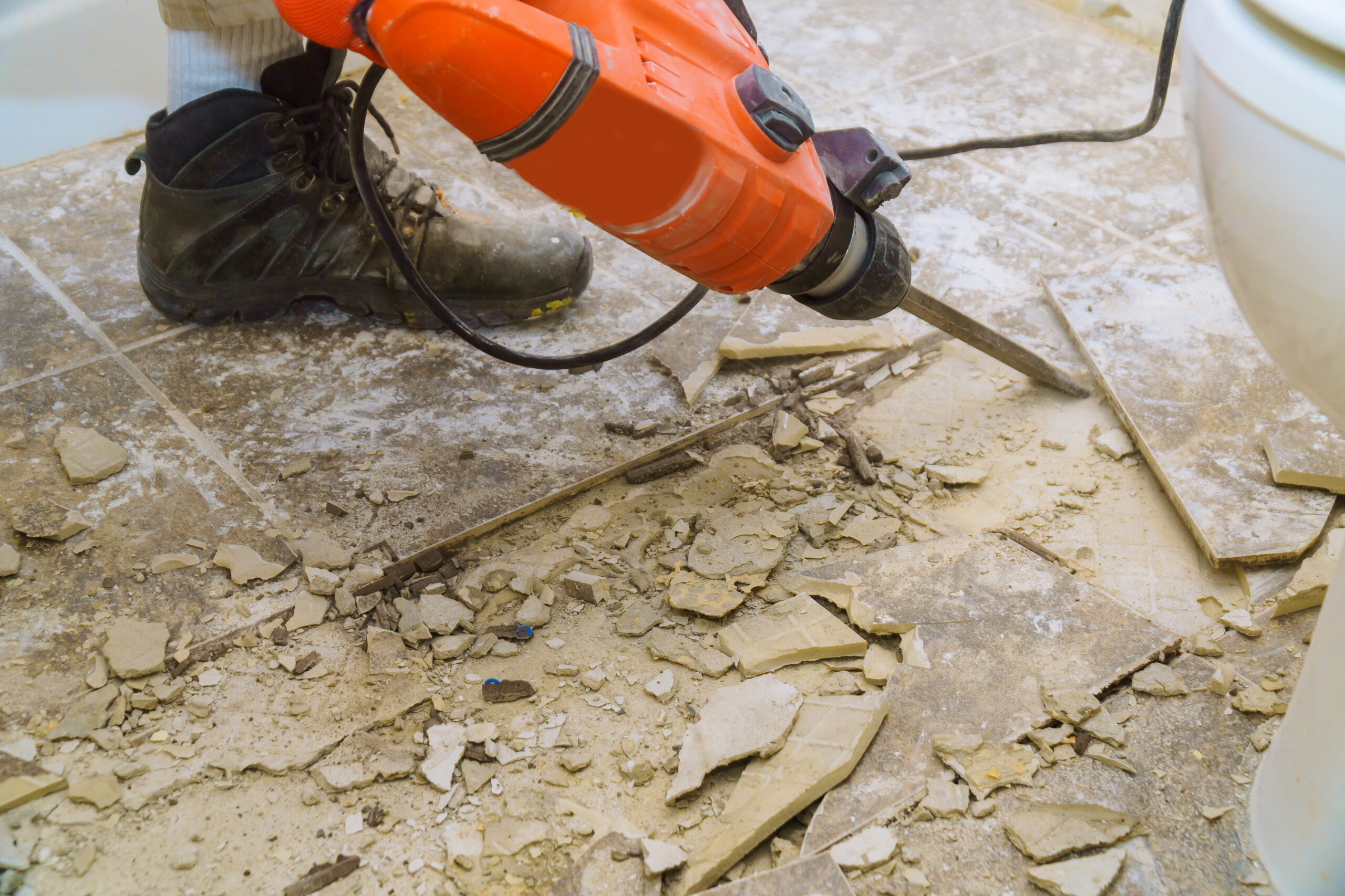
Comprehensive Assessment of Subfloor Issues
Our team begins every project by examining the existing subfloor conditions in your kitchen or bathroom. We check for moisture damage, structural weakness, rot, and uneven areas that could compromise your new flooring installation.
Using precision measuring tools, we identify variations in floor height and locate soft spots that indicate underlying damage. This detailed evaluation helps us determine whether repairs involve replacing damaged sections, reinforcing joists, or addressing water intrusion problems.
We document all findings and explain the specific issues affecting your subfloor. Our assessment includes testing for movement, checking fastener integrity, and evaluating the overall load-bearing capacity. This information guides our repair strategy and ensures we address all problems before any new flooring goes down.
Precision Floor Leveling Techniques
We employ multiple methods to achieve level subfloors depending on the severity of irregularities. Minor variations get corrected with self-leveling compounds that create smooth, even surfaces. Larger discrepancies require shimming, planing, or installing additional underlayment materials.
Our approach accounts for the specific flooring type planned for your kitchen or bathroom. Tile installations demand exceptionally flat surfaces to prevent cracking, while vinyl and other materials have different tolerance requirements.
We use laser levels and straightedges throughout the leveling process to maintain accuracy within industry standards. Each application gets proper curing time, and we verify flatness before proceeding to the next phase.
High-Quality Materials and Tools
Our subfloor repairs rely on moisture-resistant plywood, reinforced cement board, and premium-grade fasteners appropriate for kitchen and bathroom environments. We select materials based on the specific conditions and requirements of each project.
The tools we bring include pneumatic nailers, oscillating saws, grinding equipment, and mixing systems for leveling compounds. Professional-grade equipment allows us to work efficiently while maintaining quality standards.
We stock multiple thickness options for underlayment and use construction adhesives alongside mechanical fasteners for maximum stability. Every material meets building codes and manufacturer specifications for your chosen finish flooring.
Surface Preparation for Lasting Results
Once leveling and repairs are complete, we prepare the subfloor surface to receive new flooring materials. This involves cleaning away all dust, debris, and loose particles that could interfere with adhesion or installation.
We fill any remaining small gaps, sand down high spots, and apply appropriate primers when needed. For tile installations in bathrooms, we often install waterproof membranes over the prepared subfloor to protect against moisture penetration.
Our final inspection confirms the surface is clean, level, and properly secured. We verify that all fasteners sit flush, seams are properly supported, and the entire subfloor meets the specifications required for your kitchen or bathroom flooring installation.
Why Subfloor Repair Is Critical for Remodeling
A solid subfloor forms the foundation for any successful kitchen or bathroom renovation, directly affecting the longevity of new flooring, fixtures, and cabinets. Addressing subfloor issues before installation prevents costly repairs and ensures the structural integrity of your remodeled spaces.
Impact on Kitchen and Bathroom Renovations
Kitchen and bathroom remodels require a level, stable surface to support heavy materials like tile, stone countertops, and cabinetry. An uneven or damaged subfloor creates problems during installation that compromise the final results.
Tile installations particularly suffer from subfloor irregularities. When the base isn't properly leveled, tiles crack under stress and grout lines fail prematurely. We see this frequently in bathroom renovations where moisture has weakened floor joists over time.
Cabinet installations also depend on level subflooring. Uneven surfaces prevent cabinets from sitting flush against walls, creating gaps that affect both appearance and functionality. Appliances like dishwashers and refrigerators won't operate correctly on unlevel floors.
Flooring materials such as vinyl, laminate, and hardwood require smooth subflooring to prevent squeaking, buckling, and premature wear. These materials telegraph every imperfection in the subfloor, making proper preparation essential for a quality finish.
Structural Benefits of a Stable Subfloor
A properly repaired and leveled subfloor distributes weight evenly across floor joists and prevents structural damage to your home. This becomes especially important in kitchens and bathrooms where heavy fixtures and constant foot traffic place continuous stress on the floor system.
Damaged subflooring compromises the load-bearing capacity of your floors. When subfloor panels have water damage, rot, or delamination, they can't transfer weight effectively to the joists below. This creates soft spots that worsen over time and potentially lead to more extensive structural repairs.
Leveling compounds and proper fastening techniques restore the subfloor's ability to function as designed. These repairs eliminate bounce and flex that accelerate wear on finished flooring materials. A stable base also reduces noise transmission between floors in multi-story homes.
Prevention of Moisture and Mold Problems
Bathrooms and kitchens face constant moisture exposure from sinks, showers, and appliances. Damaged subflooring provides an entry point for water that leads to mold growth, rot, and indoor air quality problems.
Subfloor repair includes removing compromised materials and treating underlying moisture issues. This prevents mold from developing in hidden spaces where it damages structural components and creates health concerns. Proper moisture barriers installed during repair protect against future water infiltration.
Addressing these problems before new flooring installation ensures a clean, dry foundation. Trapped moisture beneath new materials causes odors, staining, and premature failure of your renovation investment. Professional subfloor preparation identifies and resolves moisture sources that aren't visible during surface inspections.
Our Subfloor Repair Process

01
Initial Inspection and Damage Detection
We begin every subfloor repair project with a thorough assessment of the existing structure. Our technicians examine the entire area using moisture meters, visual inspections, and physical tests to identify soft spots, water damage, rot, or structural weakness.
During this phase, we document all findings and determine the extent of damage. This includes checking joist spacing, measuring floor deflection, and identifying any underlying issues like plumbing leaks or inadequate ventilation. Our inspection reveals whether the damage is localized or widespread.
We provide detailed reports that outline the scope of work needed. This transparency allows homeowners to understand exactly what repairs are necessary before we begin any work.
02
Custom Repair Solutions for Different Subfloor Types
Different subfloor materials require specific repair approaches. For plywood subfloors, we replace damaged sections with matching thickness material and ensure proper fastening to floor joists. Particle board requires complete panel replacement when damaged since it doesn't hold fasteners well after water exposure.
OSB subfloors need careful evaluation because edge swelling indicates moisture problems. We address the moisture source first, then replace affected panels. Concrete subfloors receive different treatment involving crack repair, patching compounds, and moisture barrier application when needed.
Our material selection matches the existing subfloor type and meets local building codes. We source materials that provide long-term durability for your specific application.
03
Professional Installation and Finishing
Installation begins with removing damaged materials and preparing the work area. We ensure all joists are sound and reinforced if necessary before installing new subflooring. Our team uses construction adhesive along with proper fastener spacing to eliminate squeaks and movement.
We pay attention to expansion gaps, stagger seams properly, and maintain appropriate clearances around fixtures and walls. After installation, we level the surface using appropriate compounds when needed for your finished flooring type.
Final preparations include cleaning the surface and verifying flatness using industry-standard measurements. The repaired subfloor provides a stable, level foundation ready for your new flooring installation.
FAQs About Subfloor Repair and Leveling
Common signs include squeaking or creaking floors, visible sagging or soft spots, bouncy areas when walking, gaps between flooring and baseboards, and doors that won't close properly. Moisture damage often shows as discoloration, warping, or a musty odor. If your flooring feels uneven or you notice cracks in tiles or grout lines, your subfloor likely needs professional attention.
Subfloor repair costs typically range from $300-$800 for minor repairs and $1,500-$3,000 for extensive damage requiring replacement. Long Beach Elite Kitchen & Bathroom Remodeling provides detailed estimates based on square footage, damage extent, and materials needed. OSB subflooring costs less than plywood, while moisture-resistant materials for bathrooms run higher. Labor costs depend on accessibility and whether existing flooring needs removal.
Yes, we specialize in repairing water-damaged subfloors beneath bathrooms and kitchens where leaks commonly occur from pipes, toilets, dishwashers, and sinks. Our process includes removing damaged sections, treating for mold with products like Concrobium, installing new tongue-and-groove plywood or Advantech subflooring, and applying moisture barriers. We also inspect and repair floor joists if water damage has spread to the structural supports.
Subfloor leveling for a standard 12x12 room typically takes 4-8 hours using self-leveling compound like Mapei or LevelQuik. Larger areas or severe unevenness may require 1-2 days. The process includes grinding high spots, applying primer, pouring leveling compound, and allowing proper curing time. Floor coverings can usually be installed 24-48 hours after leveling is complete, depending on the product used.
Yes, Long Beach Elite Kitchen & Bathroom Remodeling services commercial properties throughout the Port district including warehouses, office buildings, retail spaces, and restaurants. We work with property managers and business owners to minimize disruption, often scheduling after-hours or weekend work. Our commercial-grade materials meet California building codes and we're experienced with ADA compliance requirements for level transitions and accessibility standards.

Contact Us:
Long Beach Elite Kitchen & Bathroom Remodeling
2847 E Spring St
Long Beach, CA 90806
562-553-8955