Plumbing Rerouting and New Line Installations in Long Beach CA
When you're redesigning your kitchen or bathroom in Long Beach, the water supply lines and drain pipes beneath your floors and behind your walls need to adapt to your new vision. Plumbing rerouting and new line installations create the infrastructure for relocated fixtures, expanded layouts, and modern appliances that demand updated copper piping, PEX tubing, or ABS drainage systems. Whether you're moving a vanity to capture better natural light, installing a freestanding tub that requires dedicated hot water circulation, or adding a prep sink to your kitchen island, these structural plumbing changes determine whether your remodel functions as beautifully as it looks.
Long Beach Elite Kitchen & Bathroom Remodeling coordinates every aspect of your rough-in plumbing work—from shutting off the main water meter to pressure-testing new connections before drywall goes up. Our licensed team evaluates your existing galvanized steel pipes or outdated materials, designs efficient routes that maximize flow rate while minimizing wall penetrations, and ensures all vent stacks comply with California plumbing codes. The difference between a reliable system and costly callbacks comes down to proper pipe sizing, strategic placement of shut-off valves, and understanding how your home's water pressure affects fixture performance throughout the space.
Expert Plumbing Rerouting and New Line Installations
Remodeling projects often require moving water supply lines and drain pipes to accommodate new layouts. Our team handles these changes while maintaining proper code compliance and system efficiency.
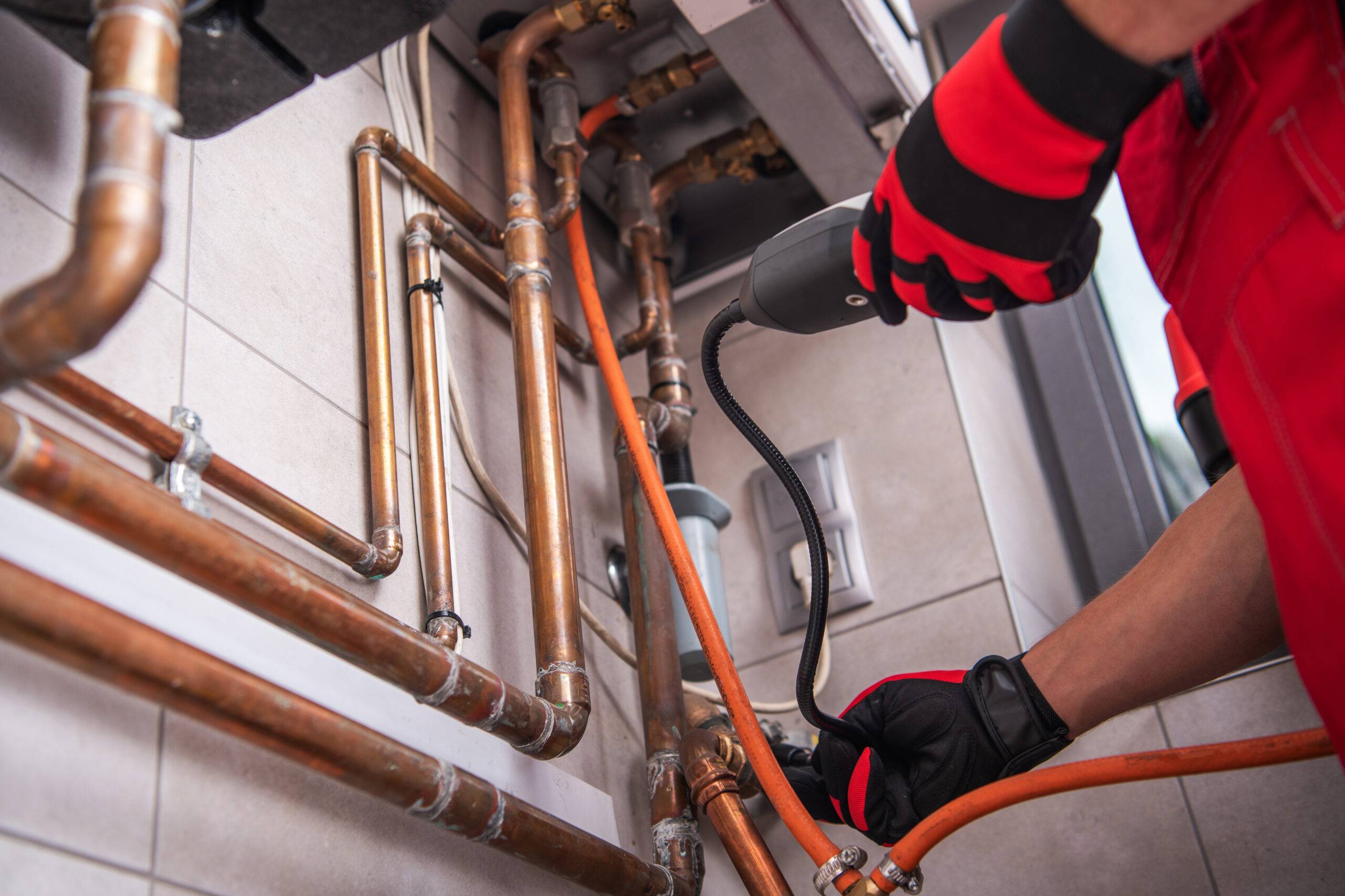
Custom Solutions for Kitchens
Kitchen remodels frequently involve relocating sinks, adding prep sinks, or installing pot fillers. We reroute water lines to match your new floor plan and ensure adequate pressure for multiple fixtures running simultaneously.
Island installations require special attention to drain line placement. The plumbing must slope correctly and meet venting requirements, which sometimes means running lines through floor joists or beneath concrete slabs. Our plumbers plan routes that avoid structural conflicts while maintaining proper drainage.
New appliance locations need dedicated supply lines. Dishwashers require hot water connections, ice makers need cold water with appropriate shut-off valves, and commercial-grade ranges may need gas line installations or modifications. We install these lines with the correct sizing and materials for each specific appliance.
Upgrading Bathroom Plumbing
Bathroom renovations often call for complete replumbing to support modern fixtures and improved layouts. We replace outdated galvanized or polybutylene pipes with copper or PEX systems that provide better water flow and longevity.
Moving toilets, showers, or tubs requires rerouting drain lines and vents. The main drain line must maintain a minimum slope of 1/4 inch per foot, and each fixture needs proper venting to prevent slow drains and sewer gas issues. Our installations meet these specifications while working within existing wall cavities and floor structures.
Multiple shower heads, body sprays, and rain heads demand increased water volume. We upsize supply lines and verify that your home's water pressure can support these features before installation.
Fixture and Appliance Connections
Final connections between new plumbing lines and your fixtures require precision. We install shut-off valves at each fixture location for easy maintenance access and future repairs.
Common connection types include:
- Compression fittings for exposed supply lines
- Soldered copper joints for permanent installations
- PEX crimp or expansion connections for flexible routing
- Threaded connections for appliances and fixtures
Drain connections receive particular attention to prevent leaks. We use proper trap configurations, secure all joints with appropriate sealants or gaskets, and test each connection under pressure before closing walls or floors.
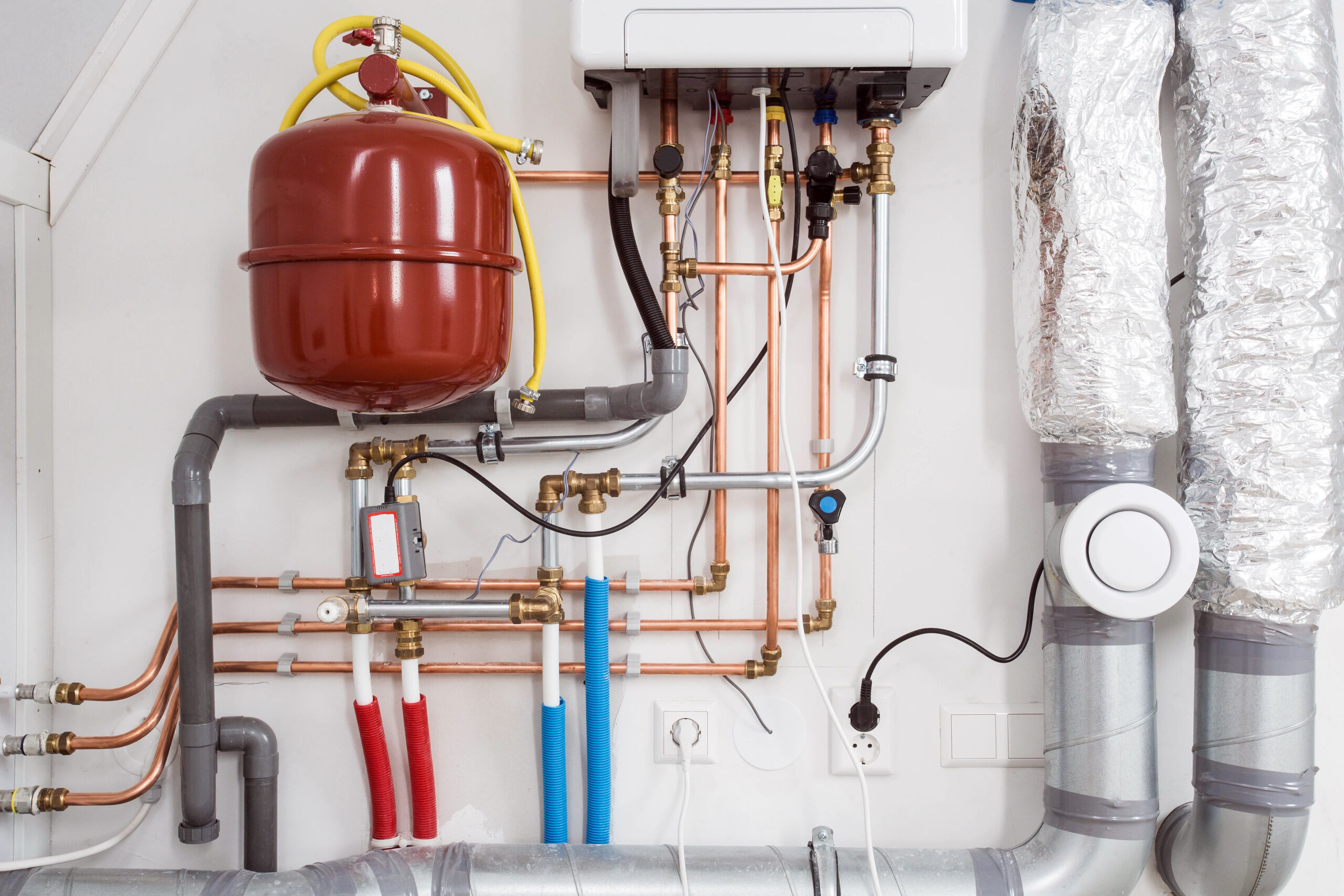
Our Process for Optimized Water Flow
We follow a systematic approach that begins with understanding your specific plumbing needs and ends with a fully tested system that delivers reliable performance. Each project receives the same thorough attention to detail, from the first inspection through final verification.
01
Initial Assessment and Consultation
Our team starts every rerouting project with a comprehensive evaluation of your existing plumbing infrastructure. We inspect current pipe conditions, measure water pressure at multiple points, and identify any underlying issues that could affect the new installation.
During the consultation, we discuss your specific requirements for fixtures, appliances, and water usage patterns. This information helps us determine the appropriate pipe sizing and routing strategies for your kitchen or bathroom remodel. We also check for potential obstacles like electrical lines, structural beams, and existing HVAC systems that might influence the installation path.
We provide clear explanations of what the project will involve, including access points we'll need to create and how we'll minimize disruption to your daily routine. Transparent communication at this stage sets realistic expectations for timeline and scope.
02
Strategic Planning and Layout Design
The planning phase involves creating a detailed layout that optimizes water distribution throughout your remodeled space. We calculate flow rates for each fixture and design the pipe network to maintain consistent pressure across all outlets.
Our layouts account for the shortest practical routes while respecting building codes and structural limitations. We plan for proper slope on drain lines to ensure efficient waste removal and prevent future clogs. The design also incorporates strategic placement of shutoff valves for easier maintenance and emergency access.
We coordinate with other trades involved in your remodel to ensure plumbing lines don't conflict with electrical, HVAC, or structural work. This collaborative approach prevents costly modifications during installation.
03
Quality Materials and Precision Installation
We install piping systems using materials that match your building's requirements and local code standards. Our installations typically use PEX, copper, or CPVC depending on the application and your specific needs.
Each connection receives proper securing and support to prevent sagging or movement that could stress joints over time. We maintain precise measurements throughout the installation to ensure proper alignment with fixture rough-ins. All pipes are clearly labeled at access points for future reference.
Key Installation Standards:
- Secure pipes at manufacturer-specified intervals
- Insulate lines in unconditioned spaces
- Maintain minimum clearances from heat sources
- Use appropriate fittings for each transition
04
Final Inspection and System Testing
Before closing any walls, we conduct pressure tests on all new water lines to verify integrity. We fill the system and monitor for pressure drops that would indicate leaks or weak connections.
We run water through every fixture to check flow rates and verify proper drainage. Temperature testing ensures hot water reaches all intended locations without excessive wait times. Our inspection includes checking all shutoff valves for smooth operation and complete water stoppage.
We document the final system configuration, including pipe locations and valve positions, and provide this information for your records. Any issues discovered during testing are corrected immediately before we consider the installation complete.
Benefits of Professional Plumbing for Remodels
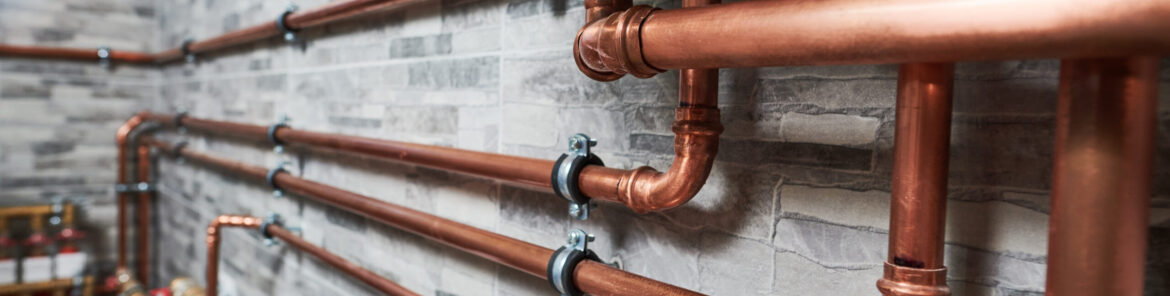
Consultation and Fixture Selection
We begin each project by assessing your current plumbing setup and discussing your specific needs. During the consultation, we measure the existing space, examine water pressure, and identify any potential compatibility issues with your chosen fixtures.
Our team helps you select fixtures that match your design preferences while meeting local plumbing codes. We review specifications for faucets, sinks, toilets, and other components to confirm they work with your current plumbing configuration. This includes checking valve sizes, drain connections, and spacing requirements.
We provide transparent pricing that covers both materials and labor. For standard faucet installations, costs typically range from $150 to $400, while toilet installations usually fall between $300 and $800 depending on fixture complexity.
Preparation and Site Protection
Before starting any installation work, we protect your floors, countertops, and surrounding areas with drop cloths and protective coverings. This prevents scratches, water damage, and debris accumulation during the process.
We turn off the main water supply or specific shut-off valves to prevent leaks. The existing fixtures are carefully removed, and we inspect the supply lines, drainage connections, and mounting surfaces for any damage or wear. Corroded pipes or faulty connections are addressed before proceeding with the new installation.
All necessary tools and materials are organized on-site to maintain efficiency. We ensure proper ventilation in the work area and keep pathways clear for safe movement throughout the project.
Timely Installation and Quality Assurance
Installation begins with precise alignment and secure mounting of each fixture. We connect supply lines, tighten fittings to manufacturer specifications, and seal all joints to prevent future leaks. Drainage components receive equal attention to ensure proper flow and prevent backups.
Once installed, we test each fixture thoroughly. Water pressure is checked, drains are tested for proper flow, and all connections are inspected for leaks. We verify that handles, valves, and other moving parts operate smoothly.
The work area is cleaned completely before we consider the job finished. We remove all packaging, old fixtures, and debris from your property. A final walkthrough ensures you understand how to operate and maintain your new fixtures properly.
FAQs About Plumbing Rerouting and New Line Installations
Plumbing rerouting during a kitchen remodel typically costs between $1,500 and $4,500 in Long Beach, depending on the complexity of your layout changes. If you're relocating your sink, dishwasher, or adding a pot filler, costs increase based on distance from existing water supply lines and drain connections. The type of piping material matters too—PEX installations are generally more affordable than copper repiping. Long Beach Elite Kitchen & Bathroom Remodeling provides detailed estimates after assessing your current plumbing configuration, foundation type, and whether we need to reroute through walls, under floors, or around structural elements.
You need new plumbing line installation if you notice persistent low water pressure, discolored water with rust or sediment, frequent pipe leaks, or visible corrosion on exposed pipes. Older homes with galvanized steel or polybutylene pipes often require complete replacement as these materials deteriorate over time. If you hear banging noises when turning faucets on or off, experience slow drains throughout multiple fixtures, or see water stains on walls and ceilings, your supply lines or drain pipes likely need replacement. During kitchen and bathroom remodels, we often discover outdated plumbing that doesn't meet current code requirements for proper venting or adequate pipe sizing.
Plumbing rerouting without opening walls is possible in specific situations, particularly when running new PEX supply lines through attics, crawl spaces, or basements. If your home has accessible areas beneath floors or above ceilings, we can often install new water lines with minimal wall penetration. However, drain line rerouting almost always requires wall access since gravity-dependent DWV systems need proper slope and venting. For kitchen island relocations or bathroom fixture moves, strategic wall opening is typically necessary to ensure code-compliant installations. Long Beach Elite Kitchen & Bathroom Remodeling uses precise cutting techniques and professional drywall repair to minimize disruption when wall access is unavoidable.
Plumbing rerouting during a bathroom renovation typically takes 2 to 5 days depending on the scope of fixture relocations and your home's construction type. Moving a toilet requires rerouting the main drain line and vent stack, which takes longer than relocating a vanity sink. If you're converting a tub to a walk-in shower or adding a double vanity, expect the upper end of that timeframe. Concrete slab foundations require additional time for cutting and repacking, while pier and beam foundations with accessible crawl spaces move faster. The timeframe includes installing new supply lines, drain pipes, proper venting, pressure testing all connections, and getting inspections approved before we close walls.
Yes, you need plumbing rerouting when moving a kitchen island if it contains a sink, dishwasher, or other plumbed fixtures. Relocating an island requires extending or rerouting both hot and cold water supply lines plus the drain system to the new location. The drain line presents the biggest challenge since it needs proper slope for drainage and adequate venting to prevent siphoning and maintain trap integrity. Island venting often requires an air admittance valve or loop vent configuration to meet California plumbing code. Long Beach Elite Kitchen & Bathroom Remodeling coordinates plumbing reroutes with your new island placement, ensuring all connections are concealed beneath flooring and meet inspection requirements before final installation.

Contact Us:
Long Beach Elite Kitchen & Bathroom Remodeling
2847 E Spring St
Long Beach, CA 90806
562-553-8955