Custom Walk-In Showers and Bathtub Replacement in Long Beach CA
Transform your outdated bathroom into a luxurious retreat with custom walk-in showers featuring frameless glass enclosures, rain showerheads, and built-in shower benches that maximize both comfort and accessibility. Long Beach Elite Kitchen & Bathroom Remodeling specializes in removing old bathtubs and installing modern shower systems with linear drains, ceramic tile surrounds, and grab bars that meet ADA compliance standards. Our expert team works with premium brands like Kohler and Delta to create barrier-free entries using curbless designs and slip-resistant porcelain flooring that enhances safety without sacrificing style.
Professional bathtub replacement goes beyond simple swap-outs, incorporating acrylic soaking tubs, whirlpool jets, and freestanding models that become stunning focal points in your remodeled bathroom. We utilize advanced waterproofing membranes like Schluter Systems and install proper shower pans with optimal slope for drainage, ensuring your investment remains protected from moisture damage. Whether you prefer the elegance of cultured marble walls or the durability of fiberglass surrounds, our certified installers handle everything from plumbing rough-ins to final silicone caulking, delivering seamless transitions that complement your Long Beach home's unique character.
Custom Walk-In Showers
Walk-in showers combine practical functionality with modern design elements to create a bathroom centerpiece that enhances daily routines. Our custom installations address specific spatial requirements, accessibility needs, and aesthetic preferences for Long Beach homeowners.
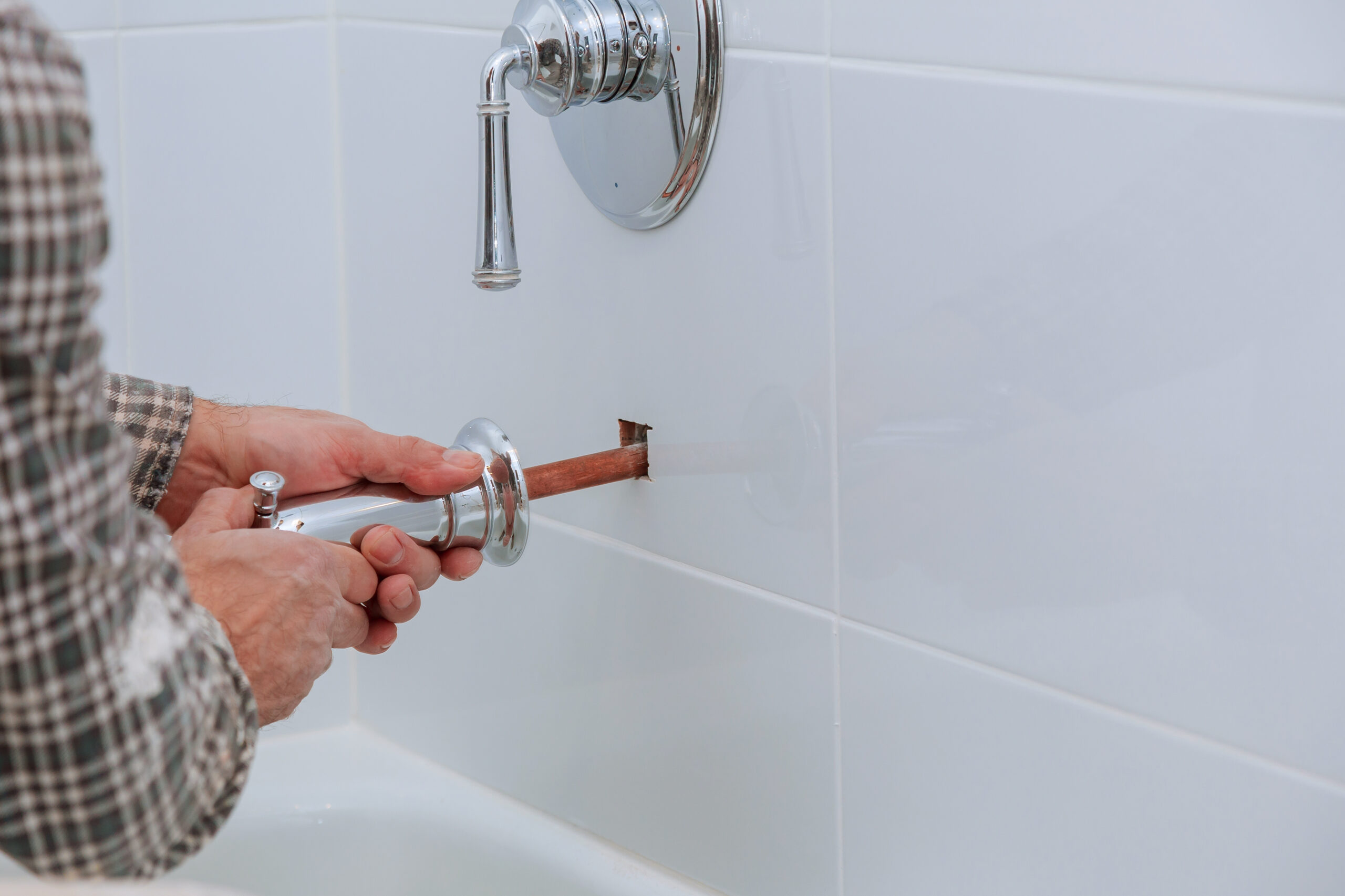
Design Options for Walk-In Showers
We offer multiple layout configurations including corner installations, alcove designs, and full-room wet spaces. Standard dimensions start at 36x36 inches, though we recommend 48x48 inches or larger for comfortable movement and optimal water coverage.
Glass enclosure options include frameless, semi-frameless, and framed designs. Frameless installations provide clean sightlines and contemporary appeal, while framed options offer traditional styling at lower price points.
Common Design Elements:
- Single or dual showerheads
- Built-in benches and niches
- Linear or center drains
- Curbless or low-threshold entry
- Tile patterns and accent walls
We incorporate rainfall showerheads, handheld fixtures, and body sprays based on client preferences. Niche placement considers typical user height and storage needs for toiletries. Bench seating typically measures 15-18 inches deep and 17-19 inches high for comfortable use.
Accessibility Features and Safety
Curbless entries eliminate tripping hazards and accommodate wheelchair access with proper slope drainage. We install these at floor level with appropriate waterproofing extending beyond the shower area.
Grab bars support up to 250 pounds when properly mounted to wall studs or blocking. Strategic placement near entry points and seating areas provides stability without compromising visual design. Modern options include decorative finishes that blend with other fixtures.
Non-slip flooring reduces fall risk through textured tiles or slip-resistant treatments. We recommend smaller format tiles that create more grout lines for improved traction. Adequate lighting placement eliminates shadows and dark corners.
Built-in seating accommodates those who cannot stand for extended periods. Fold-down seats offer space-saving alternatives in smaller installations.
Material and Finish Choices
Porcelain and ceramic tiles remain popular for their durability and water resistance. Large-format tiles minimize grout lines and simplify maintenance. Natural stone options like marble, granite, and travertine require periodic sealing but provide distinctive appearance.
Material Comparison:
Material | Maintenance | Cost Level | Durability |
|---|---|---|---|
Porcelain | Low | Medium | High |
Ceramic | Low | Low-Medium | Medium-High |
Natural Stone | High | High | High |
Acrylic Panels | Low | Low | Meduim |
Glass thickness for enclosures ranges from 3/8 inch to 1/2 inch. Thicker glass provides greater stability and premium feel. Hardware finishes include chrome, brushed nickel, matte black, and bronze to coordinate with bathroom fixtures.
Grout color selection impacts overall appearance and visible wear patterns. Epoxy grout resists staining better than cement-based alternatives.
Installation Process of Walk-In Showers
We remove existing fixtures and inspect subflooring for damage or necessary repairs. Proper waterproofing includes membrane application on walls and floors extending at least 6 inches beyond the shower perimeter.
Shower pans require correct slope calculation (minimum 1/4 inch per foot toward the drain) for effective drainage. We install pre-sloped pan systems or build custom mud-set pans depending on project specifications.
Tile installation follows manufacturer specifications for thin-set application and joint spacing. Wall tile typically progresses from bottom to top with cut pieces placed in less visible locations.
Glass enclosure installation occurs after tile work cures completely. We measure final dimensions after tile completion to ensure precise fit. Hardware mounting requires careful alignment to prevent stress points on glass panels.
Final plumbing connections include valve trim installation and fixture mounting. We test all components for leaks and proper drainage before project completion. Typical installation timeframe ranges from 5-10 days depending on design complexity.
Bathtub Replacement Solutions
Replacing an outdated bathtub transforms both the functionality and appearance of a bathroom. Our bathtub replacement services address structural concerns, material preferences, and water efficiency needs.
Full Bathtub Removal and New Installation
The bathtub replacement process begins with the complete removal of the existing unit. Our team disconnects all plumbing connections, removes the old tub, and inspects the surrounding walls and subfloor for water damage or mold. Any compromised materials are replaced before proceeding.
Installation of the new bathtub requires precise measurements and proper alignment. The unit must be level to ensure proper drainage and prevent water pooling. Our installers secure the tub to wall studs, connect supply lines and drain assemblies, and test all connections for leaks.
The surrounding area receives new waterproofing measures, including cement board and moisture barriers. These protective layers prevent future water intrusion that can lead to costly structural damage. The entire process typically takes 2-3 days depending on the scope of work.
Bathtub Styles and Materials
Alcove tubs fit between three walls and offer the most space-efficient option for standard bathrooms. These units work well in homes with limited square footage.
Freestanding tubs serve as focal points in larger bathrooms and come in various shapes including oval, rectangular, and slipper designs. Drop-in tubs install within a deck or platform for a custom appearance.
Material selection affects both durability and maintenance requirements:
Material | Benefits | Maintenance Level |
|---|---|---|
Acrylic | Lightweight, retains heat, affordable | Low |
Fiberglass | Budget-friendly, easy to install | Moderate |
Cast Iron | Extremely durable, excellent heat retention | Low |
Composite | Customizable, stone-like appearance | Low |
Acrylic remains the most popular choice due to its balance of cost, durability, and ease of cleaning.
Water Efficiency and Eco-Friendly Options
Modern bathtubs use significantly less water than older models through improved design and reduced capacity. Standard tubs hold 40-60 gallons, while newer low-flow designs accommodate 30-35 gallons without sacrificing comfort.
Soaking depth optimization allows for full immersion with less total water volume. Sloped backs and contoured bases create the sensation of a deep bath while using fewer gallons per fill.
Material choices impact environmental footprint. Acrylic and composite tubs require less energy to manufacture compared to cast iron units. Recycled content options are available in select composite materials. Proper insulation around the tub reduces heat loss and decreases the energy needed to maintain water temperature during use.
Why Choose us for Custom Walk-In Showers
and Bathtub Replacement

01
Reputation and Experience in Long Beach CA
We have served Long Beach homeowners for over 15 years, completing more than 2,000 bathroom remodeling projects across all neighborhoods. Our team holds active California contractor licenses and maintains an A+ rating with the Better Business Bureau. Our installers complete ongoing training in the latest walk-in shower and bathtub replacement techniques.
02
Client-Centered Remodeling Approach
We assign a dedicated project manager to every bathroom remodel from initial consultation through final walkthrough. This single point of contact answers questions, coordinates schedules, and addresses concerns without delays. Our design consultations include 3D renderings that show exactly how your new walk-in shower or bathtub will look in your space.
03
Warranty and Quality Assurance
Our workmanship warranty covers installation defects for five years after project completion. Manufacturers' warranties on fixtures, shower doors, and bathtubs are registered in your name and transferred to you with all documentation. We conduct a pre-installation inspection to identify potential plumbing or structural issues before they affect your project timeline.
FAQs About Custom Walk-In Showers and Bathtub Replacement
Walk-in shower conversions typically range from $3,500 to $12,000 depending on size, materials, and features. Basic acrylic or fiberglass conversions start around $3,500-$5,000, while custom tile installations with frameless glass doors can reach $8,000-$12,000. Premium features like rainfall showerheads, built-in benches, or multiple shower panels add to the cost.
Most bathtub to shower conversions take 3-5 days from start to completion. Day one involves demolition and plumbing adjustments, days two and three focus on waterproofing and installation of shower pans and walls, and the final days cover tiling, glass door installation, and finishing touches. Acrylic conversions can sometimes be completed in 1-2 days.
Porcelain and ceramic tiles resist salt air corrosion better than natural stone in coastal environments. Acrylic and solid surface materials like Corian offer excellent durability against moisture. For hardware, choose marine-grade stainless steel or powder-coated aluminum fixtures. Avoid unsealed natural stone and standard chrome finishes that corrode quickly.
One-day conversions are possible with prefabricated acrylic or fiberglass shower systems from companies like Bath Fitter or Re-Bath. These involve removing the old tub and installing a pre-formed shower base and wall panels. Custom tile installations require multiple days for proper waterproofing, mortar curing, and grouting to ensure long-lasting results.
Acrylic shower installations typically cost $2,500-$5,000, offering quick installation and low maintenance with brands like Kohler or Sterling. Tile installations range from $4,000-$10,000, providing more design flexibility and durability. Tile requires professional waterproofing with Schluter systems, more labor hours, and periodic resealing but offers superior customization and longevity.

Contact Us:
Long Beach Elite Kitchen & Bathroom Remodeling
2847 E Spring St
Long Beach, CA 90806
562-553-8955