Kitchen Structural Modifications in Long Beach CA
Kitchen structural modifications transform cramped cooking spaces through strategic load-bearing wall removal, steel beam installation, and advanced open-concept design techniques. Professional contractors integrate LVL beams, Simpson Strong-Tie brackets, and engineered lumber solutions while navigating complex electrical rerouting, HVAC ductwork relocation, and plumbing system reconfiguration. These modifications require expertise in structural engineering calculations, proper shear wall reinforcement, and California's strict seismic retrofit requirements to ensure your home maintains its integrity during major layout changes.
Long Beach Elite Kitchen & Bathroom Remodeling specializes in ambitious kitchen transformations using Glulam beams, moment frames, and post-and-beam construction methods that create dramatic spatial improvements. Our certified team manages foundation underpinning when necessary, installs header beams for wider openings, and coordinates mechanical system upgrades throughout the modification process. We handle everything from ceiling joist reinforcement and floor leveling compounds to permit expediting and structural inspection coordination, ensuring your kitchen expansion meets all building codes while achieving the modern, flowing layout that enhances both functionality and property value.
Kitchen Structural Modifications Overview
Structural modifications in kitchen remodeling involve changes to load-bearing walls, support beams, floor joists, and other foundational elements that affect the integrity and layout of your space. These alterations require professional expertise, proper permits, and careful planning to ensure safety and compliance with building codes.

Defining Structural Modifications
Structural modifications refer to any changes that affect the load-bearing components of your kitchen. This includes removing or relocating walls that support the weight of upper floors or the roof, adjusting ceiling heights, modifying floor systems, or adding new openings for windows and doors.
These projects differ from cosmetic updates because they impact the building's structural integrity. A structural engineer or licensed contractor must evaluate the existing framework before we begin any work.
Load calculations, beam sizing, and proper support installation are critical aspects of these modifications. We coordinate with building inspectors to verify that all changes meet local safety requirements and building codes.
Importance in Kitchen Remodeling
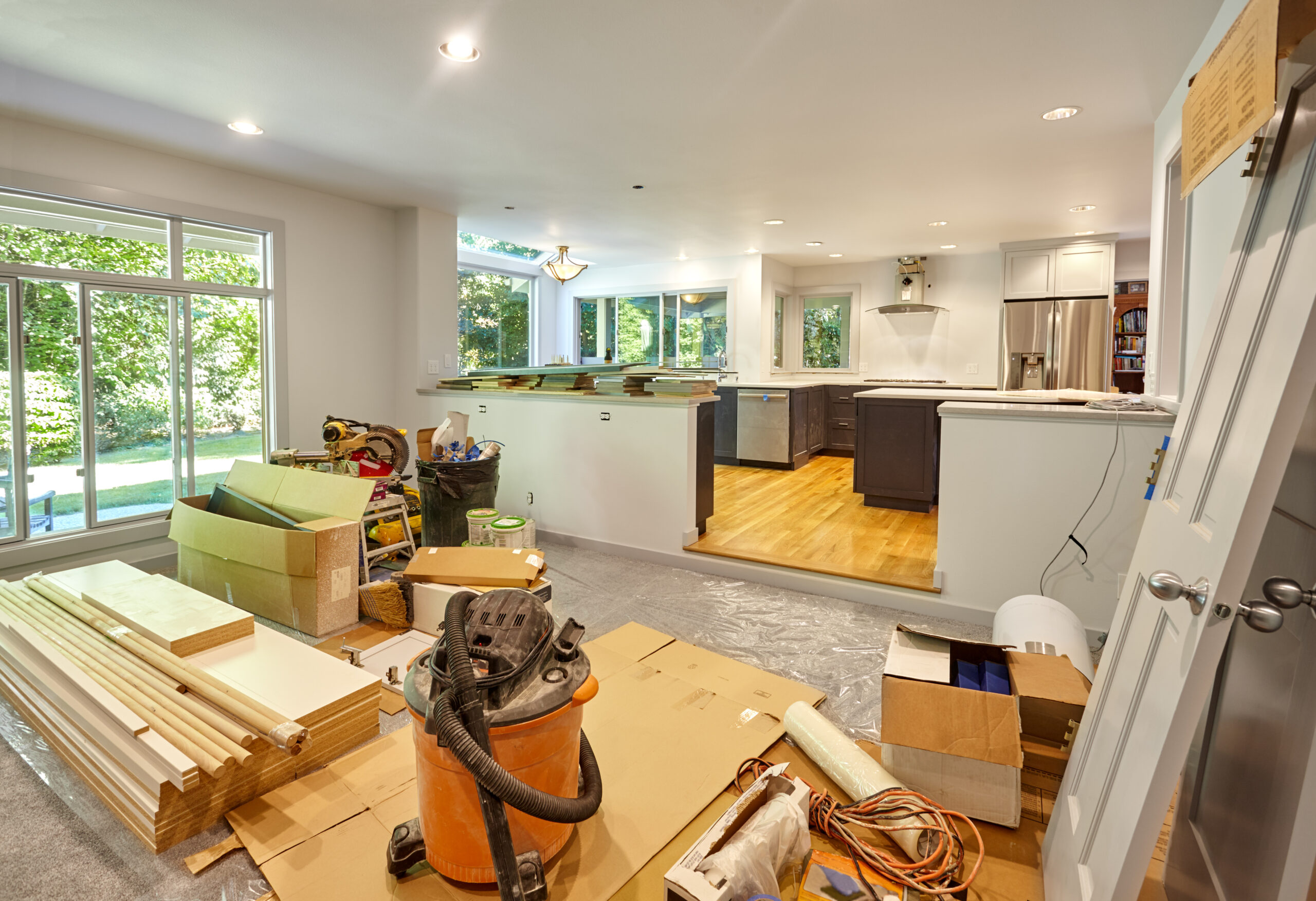
Structural modifications unlock design possibilities that transform cramped, outdated kitchens into functional, open spaces. Removing a load-bearing wall between the kitchen and dining room creates the popular open-concept layout many homeowners desire.
These changes increase natural light, improve traffic flow, and accommodate modern appliances and storage solutions. The investment in structural work often delivers significant returns through enhanced livability and increased property value.
Without addressing structural limitations, your remodeling options remain restricted by existing walls, doorways, and ceiling configurations. Proper structural modifications provide the foundation for achieving your ideal kitchen layout.
Common Types of Kitchen Modifications
Wall Removal is the most requested structural change. We install steel or laminated veneer lumber (LVL) beams to redistribute weight when removing load-bearing walls.
Floor Reinforcement becomes necessary when adding heavy materials like stone countertops or large kitchen islands. We strengthen joists or add additional support beams beneath the subfloor.
Ceiling Modifications include vaulting ceilings, exposing beams, or raising ceiling height. These projects require rerouting electrical, plumbing, and HVAC systems while maintaining structural support.
Window and Door Expansion involves creating larger openings or adding new ones. We install headers and proper framing to support the load above these openings.
Foundation Work may be required for kitchen additions or when addressing settling issues. This includes pouring new footings, reinforcing existing foundations, or leveling floors.
Kitchen Structural Modifications Services
We handle comprehensive structural modifications that transform kitchen layouts while maintaining building integrity and safety compliance. Our team coordinates load calculations, permitting, and engineered solutions for projects requiring substantial framework changes.
Wall Removals and Additions
Removing walls opens up cramped kitchen spaces and creates modern, flowing layouts that connect to adjacent rooms. We assess each wall's structural role before demolition begins. Our process includes installing temporary supports, obtaining necessary permits, and coordinating with structural engineers when required.
Load-bearing wall removal requires steel beams or laminated veneer lumber (LVL) headers to redistribute weight. Non-load-bearing partition walls offer simpler removal options but still need proper framing modifications and finish work. We install new walls to create pantries, separate cooking zones, or define spaces within open concepts.
Every wall modification includes drywall finishing, texture matching, and paint preparation. Our crew protects existing areas during demolition and removes debris daily.
Load-Bearing Structure Alterations
Load-bearing modifications demand precise engineering calculations and building department approvals. We work with licensed structural engineers to design beam systems that safely transfer loads from removed walls to adjacent supports. Common solutions include steel I-beams, glulam beams, and engineered lumber products sized for specific span requirements.
Installation involves creating temporary support walls, cutting openings in exact locations, and setting beams with proper bearing points on foundations or reinforced framing. We verify all connections meet code requirements and inspection standards.
Typical Load-Bearing Solutions:
- Steel beams for spans exceeding 12 feet
- LVL headers for moderate openings
- Doubled or tripled joists for concentrated loads
- Column additions when bearing walls extend multiple floors
Floor Plan Reconfigurations
Reconfiguring kitchen floor plans addresses workflow inefficiencies and adapts spaces to contemporary living patterns. We relocate doorways, expand footprints into adjacent rooms, and reorient layouts around new focal points. These changes often involve moving plumbing lines, electrical services, and HVAC components.
Our approach starts with measuring existing conditions and creating accurate plans. We identify structural limitations, utility routing challenges, and code compliance requirements before construction begins. Kitchen islands, peninsulas, and enlarged work triangles frequently drive layout changes.
Space expansions into dining rooms, hallways, or enclosed porches require matching floor levels, extending systems, and creating cohesive transitions between old and new areas.
Ceiling Adjustments
Ceiling modifications increase perceived space and accommodate new lighting, ventilation, or architectural features. We remove dropped ceilings to expose original height, vault ceilings by modifying roof framing, or install coffered designs that add visual interest. Each approach requires different structural considerations.
Raising ceiling heights involves relocating or rerouting mechanicals hidden in ceiling cavities. Ductwork, plumbing vents, and electrical conduits often need creative solutions to maintain functionality while achieving desired clearances.
We install new joists, blocking, and support framing for heavy fixtures like pot racks or pendant systems. Drywall installation on modified ceilings includes proper fastening schedules and finishing techniques that meet fire ratings and building codes.
Our Kitchen Structural Modifications Process
01
Initial Consultation and Assessment
The process begins with an on-site evaluation of your existing kitchen layout and structural conditions. We examine load-bearing walls, floor joists, electrical systems, plumbing connections, and HVAC configurations to identify any constraints or opportunities for modification.
During this phase, we discuss your goals for the space and gather detailed measurements. Our team documents current conditions through photos and notes, which helps us identify potential challenges before construction begins.
We provide a preliminary assessment of what structural changes are feasible based on your home's construction type and age. This consultation typically takes 60 to 90 minutes and gives you a clear understanding of the scope required for your project.
02
Custom Design and Planning
Based on the initial assessment, we develop detailed plans that specify all structural modifications needed for your kitchen remodel. These plans include specifications for beam installations, wall removals, floor reinforcements, and any necessary foundation work.
We create drawings that show existing conditions alongside proposed changes. This visual comparison helps you understand exactly what will be modified and how the new structure will support your design goals.
Our team coordinates with structural engineers when projects require load calculations or specialty support systems. All design work accounts for building codes, safety requirements, and the long-term integrity of your home's structure.
Material selections are finalized during this phase, including beam types, support columns, and reinforcement methods. We provide cost breakdowns for each structural element so you understand where your investment is allocated.
03
Permitting and Compliance
All structural modifications require permits from the City of Long Beach Building and Safety Department. We prepare and submit permit applications on your behalf, including engineered drawings and technical specifications.
Our familiarity with local building codes ensures that applications are complete and accurate, which reduces approval timeframes. We handle all correspondence with building officials and schedule required inspections throughout the project.
The permitting process typically takes two to four weeks depending on the complexity of structural changes. We keep you informed of approval status and notify you when permits are issued and construction can begin.
04
Project Timeline and Management
Most kitchen structural modification projects are completed within four to eight weeks, depending on the extent of changes required. We establish a detailed schedule before work begins and provide regular updates as each phase is completed.
Our project managers coordinate subcontractors, material deliveries, and inspection appointments to maintain steady progress. We protect your home with dust barriers and ensure work areas are cleaned daily.
Typical Project Phases:
Week 1-2: Demolition and structural opening preparation
Week 2-4: Beam installation, wall modifications, and reinforcement work
Week 4-6: Rough-in inspections and installation of new components
Week 6-8: Final structural inspections and completion
We conduct walkthroughs at key milestones to ensure the work meets your expectations. Any adjustments needed are addressed immediately to prevent delays or complications later in the project.
FAQs About Kitchen Structural Modifications
Yes, Long Beach requires building permits for wall removal, especially for load-bearing walls. The city's Building and Safety Department mandates permits to ensure structural integrity and code compliance. We handle all permit applications and coordinate with city inspectors throughout your kitchen structural modification project.
Load-bearing wall removal typically costs $3,000-$8,000, including structural beam installation, engineering reports, and permits. Factors affecting price include wall length, beam type (steel I-beam or engineered lumber), foundation work requirements, and necessary rerouting of electrical, plumbing, or HVAC systems within the wall cavity.
Absolutely, converting to an open concept kitchen is one of our specialties at Long Beach Elite Kitchen & Bathroom Remodeling. We remove walls, install proper support beams, and reconfigure your space to create seamless flow between kitchen, dining, and living areas while maintaining structural integrity and meeting California building codes.
Kitchen structural modifications typically take 2-4 weeks, depending on complexity. Simple non-load-bearing wall removal takes 3-5 days, while load-bearing modifications requiring steel beams and foundation work extend to 3-4 weeks. This includes permit approval, demolition, structural work, and finishing touches before your kitchen renovation continues.
We inspect several indicators: walls running perpendicular to floor joists, walls directly below other walls, and walls supporting ceiling beams. Our team examines your home's original blueprints, checks the foundation, and uses professional assessment tools. When needed, we consult structural engineers to ensure accurate identification before any demolition begins.

Contact Us:
Long Beach Elite Kitchen & Bathroom Remodeling
2847 E Spring St
Long Beach, CA 90806
562-553-8955