Bathroom Waterproofing and Moisture Protection in Long Beach CA
Protecting your bathroom from water infiltration requires strategic implementation of vapor barriers, drainage planes, and waterproof membranes throughout vulnerable zones. Long Beach Elite Kitchen & Bathroom Remodeling delivers comprehensive moisture management systems using RedGard liquid membrane, Kerdi board, and Schluter systems to create impenetrable barriers against water penetration, mold colonization, and structural deterioration. Our waterproofing specialists address critical areas including shower pans, backsplash zones, subflooring, and wall cavities where humidity accumulation and seepage cause the most severe damage to residential properties.
Every bathroom renovation demands proper substrate preparation, thinset application, and cementitious backer board installation to establish lasting protection against moisture-related failures. We implement topical sealers, pan liner systems, and weep hole technology that channel water away from framing members and foundation elements. Our proven methodology incorporates building code requirements with advanced installation protocols, ensuring your bathroom withstands Long Beach's coastal climate conditions while maintaining structural integrity and aesthetic appeal for decades.
Comprehensive Bathroom Waterproofing Solutions
Effective bathroom waterproofing requires a systematic approach that begins with thorough evaluation and extends through proper surface treatment and material application. Our process addresses moisture infiltration at every potential entry point to protect your bathroom's structural integrity.
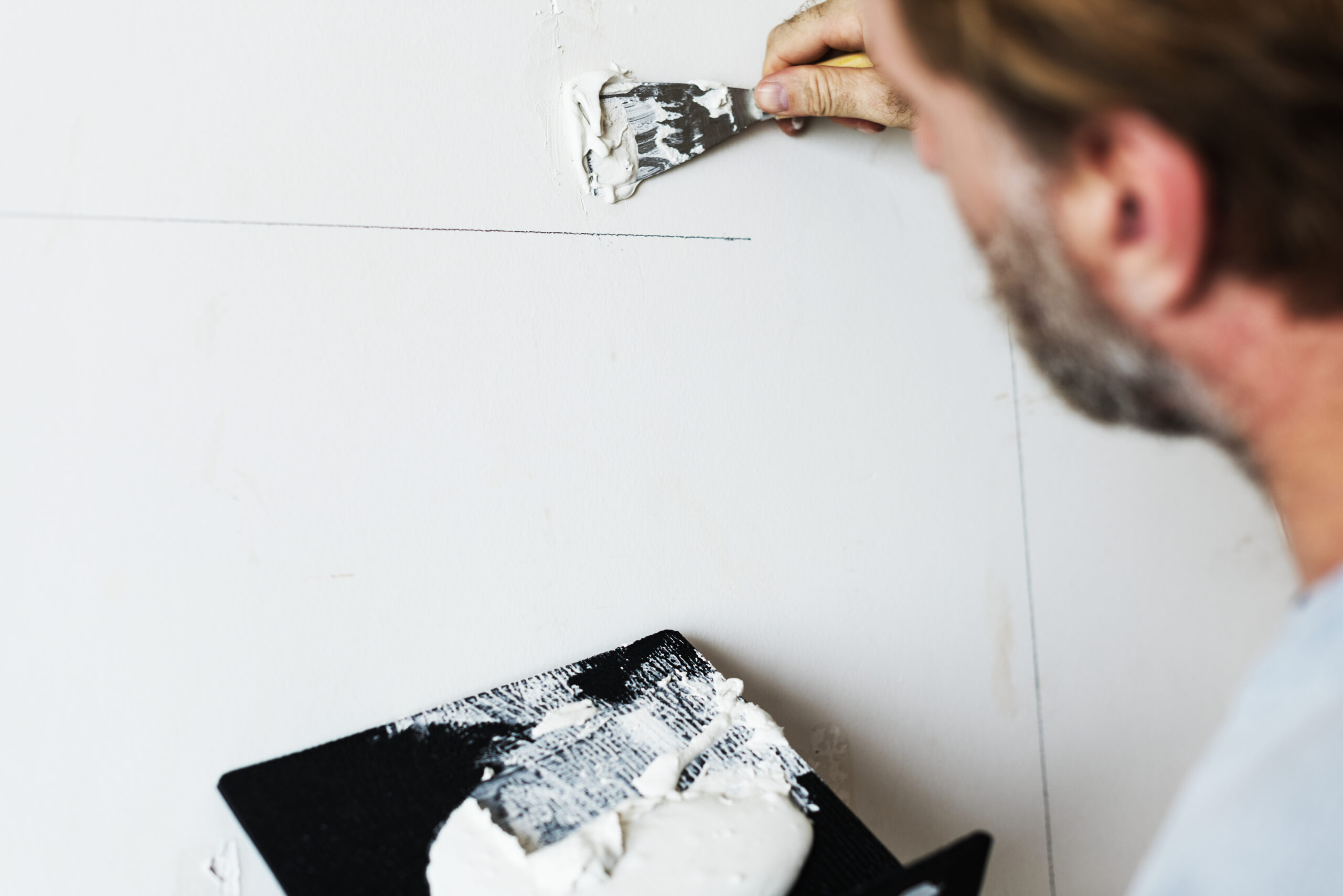
Assessment and Inspection Process
Our team conducts detailed inspections of all bathroom surfaces, joints, and penetrations before beginning any waterproofing work. We examine walls, floors, corners, and areas around fixtures using moisture meters and thermal imaging to detect existing water damage or vulnerable zones.
The inspection identifies substrate conditions, existing waterproofing failures, and potential weak points where water could penetrate. We pay special attention to shower enclosures, bathtub surrounds, and floor drains where moisture exposure is highest.
Our assessments document the scope of work needed and help determine which waterproofing methods suit your specific bathroom layout. We provide detailed reports outlining problem areas and recommended solutions based on the findings.
Surface Preparation and Treatment
Proper surface preparation forms the foundation for lasting waterproofing performance. We remove old materials, repair damaged substrates, and ensure all surfaces are clean, dry, and structurally sound before applying waterproofing systems.
Key preparation steps include:
- Filling cracks and voids with appropriate repair compounds
- Smoothing rough surfaces to ensure proper membrane adhesion
- Installing backer boards in wet areas when needed
- Creating proper slopes toward drains for water drainage
We treat corners, seams, and transitions with reinforcing fabric or tape to prevent membrane cracking at stress points. All
penetrations for plumbing fixtures receive special attention with gaskets or sealing collars.
Selection of Waterproofing Materials
We match waterproofing products to your bathroom's specific conditions and planned finishes. Sheet membranes work well under tile installations and provide reliable protection for shower pans and floors.
Liquid-applied membranes offer flexibility for complex layouts with multiple corners and penetrations. These products cure to form seamless barriers that accommodate substrate movement without cracking.
Our material selections consider factors like substrate type, tile weight, installation timeline, and budget requirements. We use products from manufacturers that meet ANSI A118.10 standards for waterproofing membranes and comply with local building codes for wet area protection.
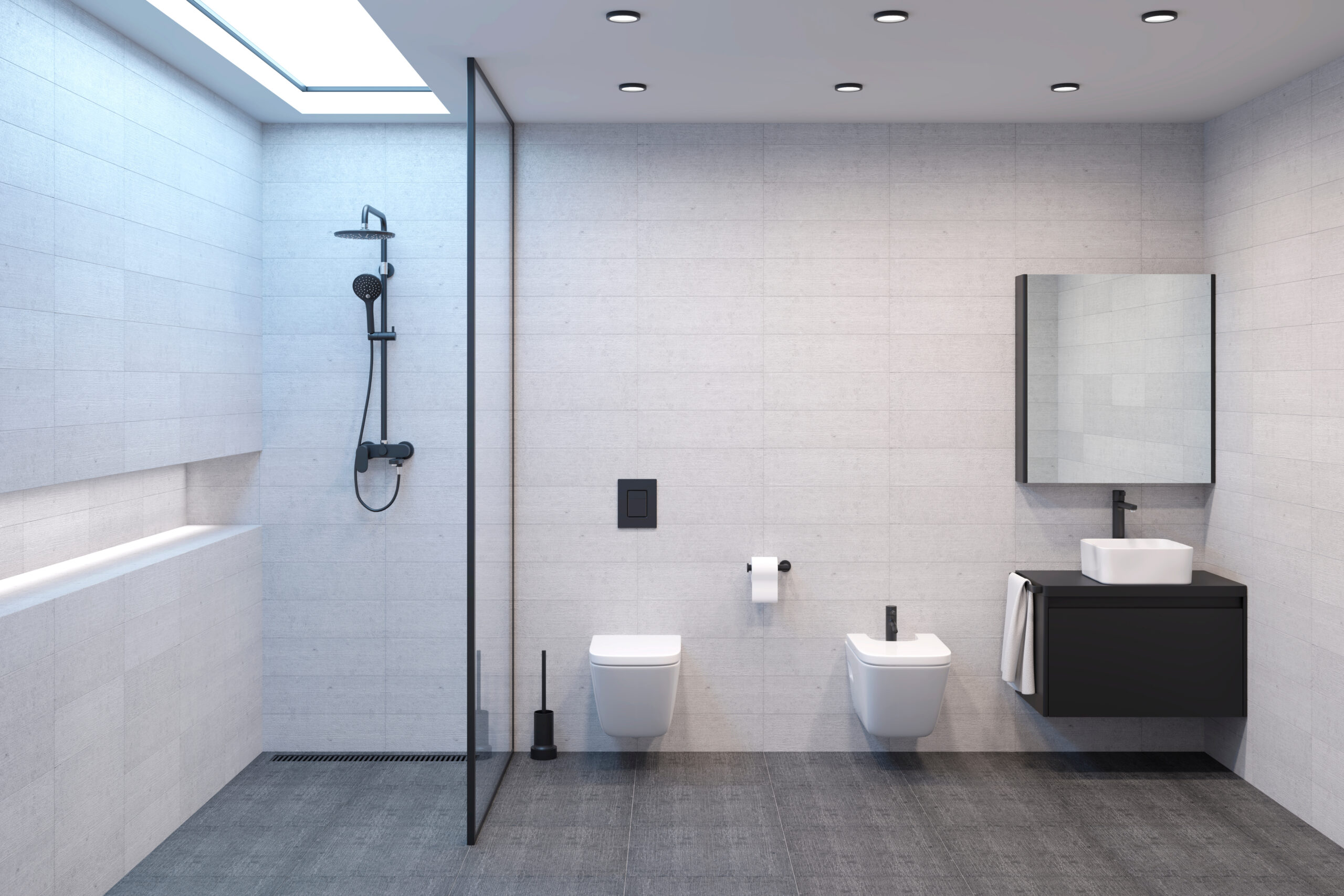
Moisture Protection for Bathrooms
Protecting your bathroom from moisture damage requires a combination of proper vapor barriers, precise sealing methods, and proactive prevention strategies. These three elements work together to create a durable, healthy bathroom environment.
Vapor Barrier Installation
We install vapor barriers behind walls and under floors to prevent moisture from penetrating into structural materials. A vapor barrier is a plastic or foil sheet, typically 6-mil polyethylene, that blocks water vapor from reaching insulation and framing.
The barrier placement depends on your climate zone. In Long Beach's coastal climate, we position barriers on the warm side of the wall to prevent condensation. We ensure the barrier covers the entire wall surface before tile or other finishes go up.
Proper installation requires attention to seams and penetrations. We overlap barrier sheets by at least 6 inches and seal them with waterproof tape. All openings for plumbing, electrical boxes, and fixtures receive careful sealing to maintain the barrier's integrity.
Sealing and Grouting Techniques
Quality sealant application protects joints, corners, and transitions where water typically penetrates. We use 100% silicone caulk for wet areas because it remains flexible and resists mold growth better than acrylic alternatives.
Grout selection matters for long-term moisture resistance. Epoxy grout offers superior water resistance compared to cement-based options, though it costs more and requires skilled application. For cement grout, we apply penetrating sealers annually to maintain protection.
Critical sealing locations include:
- Tub and shower perimeters
- Sink and countertop edges
- Floor-to-wall transitions
- Fixture penetrations
We remove old caulk completely before applying new material. Fresh caulk over deteriorated sealant fails quickly.
Preventing Mold and Mildew
Adequate ventilation forms the foundation of mold prevention. We recommend exhaust fans rated for your bathroom size, running at minimum 50 CFM for standard bathrooms. The fan should operate during showers and for 20 minutes afterward.
Surface preparation with mold-resistant materials adds another layer of protection. We use mold-resistant drywall (purple board or green board) in moisture-prone areas and apply antimicrobial primers before painting.
Regular maintenance prevents moisture accumulation. Squeegee shower walls after use, fix leaks immediately, and keep surfaces dry between uses. We install proper slope on shower floors to ensure complete water drainage toward the drain.
Why Choose us for Bathroom Waterproofing and Moisture Protection
01
Expertise and Certifications
We employ technicians trained in the latest waterproofing standards and techniques specific to bathroom environments. Our team holds certifications in moisture barrier installation, water damage prevention, and building code compliance for Long Beach and surrounding areas.
Each project follows strict protocols established by industry organizations.
02
Customer Satisfaction Commitment
We provide a written warranty on all waterproofing work performed. Our warranty covers both materials and labor for a minimum of five years. This protection gives you confidence in the durability of our moisture protection systems.
03
Customized Service Approach
We assess each bathroom individually rather than applying generic solutions. Factors we evaluate include existing substrate conditions, ventilation systems, fixture placement, and usage patterns. This assessment determines the appropriate waterproofing strategy for your specific situation.
FAQs About Bathroom Waterproofing and Moisture Protection
Bathroom waterproofing costs typically range from $1,200 to $4,500 depending on the size of your bathroom, materials selected, and extent of work needed. A standard shower stall waterproofing runs $800-$1,500, while full bathroom waterproofing including floors, walls, and wet areas costs $2,000-$4,500. Long Beach Elite Kitchen & Bathroom Remodeling provides free estimates that account for your specific project scope, existing conditions, and whether you're doing new construction or retrofitting waterproofing into an existing bathroom.
The best waterproofing method for shower walls is a combination approach using either Schluter Kerdi membrane or RedGard liquid waterproofing paired with proper substrate preparation. Kerdi membrane systems offer superior reliability with integrated seams and corners, while RedGard provides excellent coverage for complex surfaces. We recommend cement board or Kerdi board as the substrate, followed by your chosen waterproofing layer before tile installation. This creates a complete moisture barrier that prevents water infiltration, mold growth, and structural damage while meeting California building codes.
Professional bathroom waterproofing lasts 20-30 years when properly installed and maintained. High-quality membrane systems like Schluter Kerdi can last the lifetime of your bathroom, while liquid-applied waterproofing products like RedGard typically last 20-25 years. The longevity depends on proper installation, quality materials, adequate ventilation, and regular maintenance. Long Beach Elite Kitchen & Bathroom Remodeling uses commercial-grade waterproofing materials and follows manufacturer specifications to ensure maximum lifespan and protection for your investment.
Yes, you typically need a building permit for bathroom waterproofing in Long Beach when it's part of a larger remodel involving plumbing, electrical, or structural changes. If you're only applying waterproofing membrane during a tile replacement, permits may not be required, but adding or moving plumbing fixtures, altering walls, or changing drainage systems requires permits from the Long Beach Building Department. Long Beach Elite Kitchen & Bathroom Remodeling handles all permit applications and ensures your waterproofing work meets California building codes and local Long Beach regulations.
Waterproofing a bathroom floor before tiling involves first ensuring a solid substrate like cement board or mortar bed, then applying a waterproofing membrane such as Schluter Ditra, Kerdi, or liquid RedGard across the entire floor surface. We extend the waterproofing 6-8 inches up the walls, seal all seams and penetrations, create a sloped mortar bed toward the drain, and install a waterproof shower pan liner if applicable. The membrane must cure completely before thin-set mortar and tile installation, creating a watertight barrier that prevents moisture from reaching the subfloor and causing rot or mold.

Contact Us:
Long Beach Elite Kitchen & Bathroom Remodeling
2847 E Spring St
Long Beach, CA 90806
562-553-8955